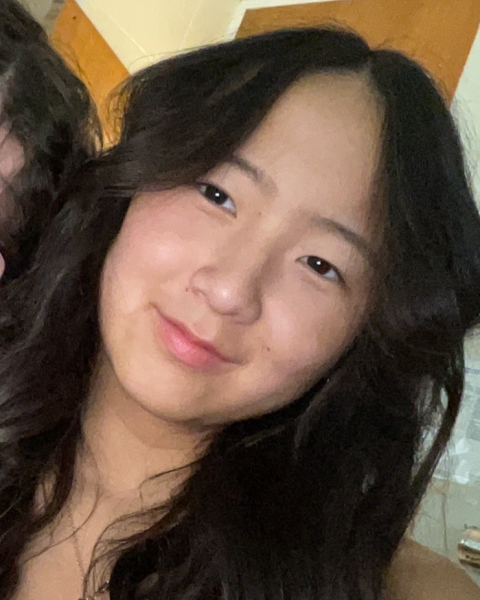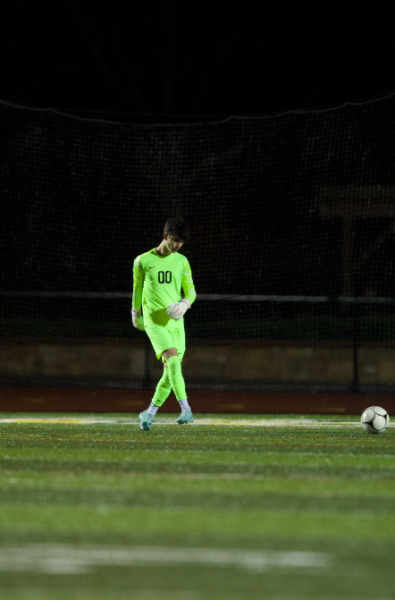
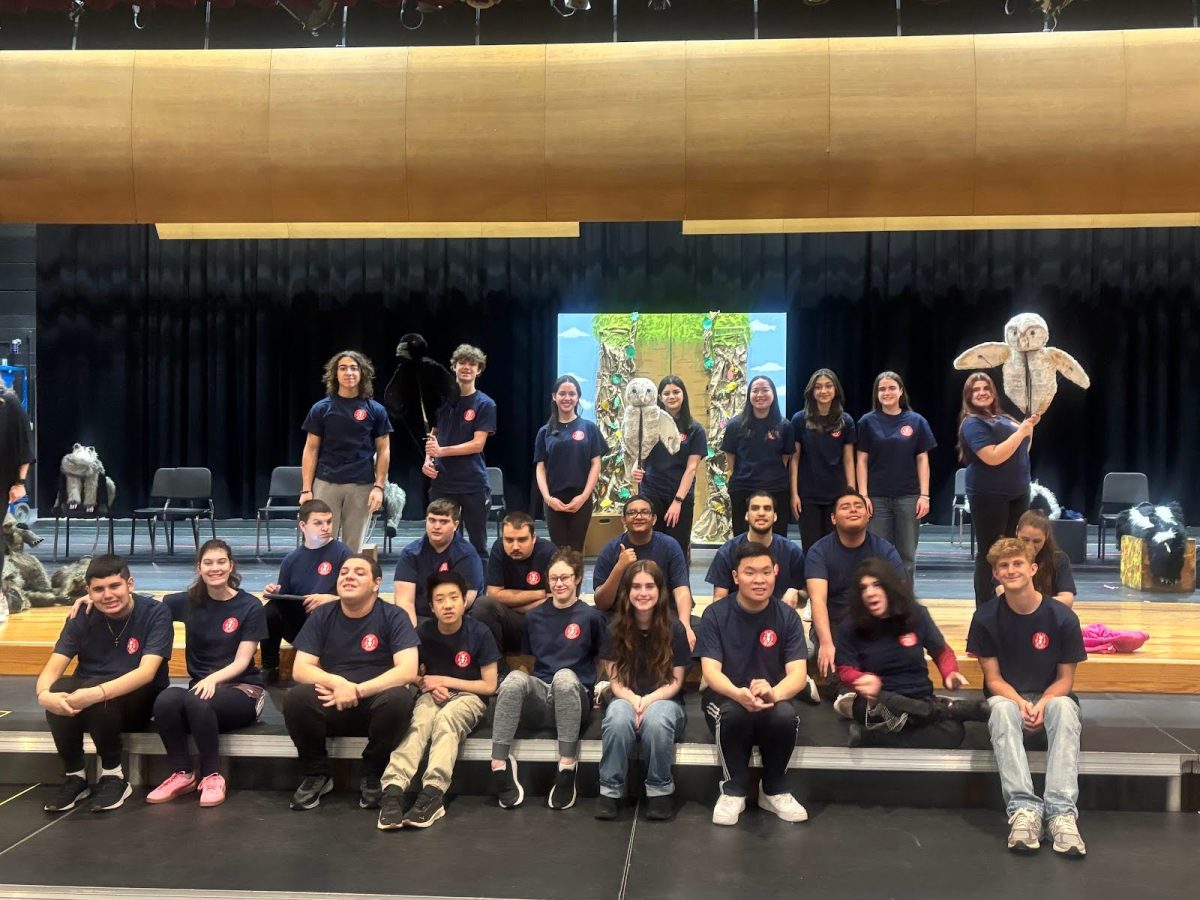



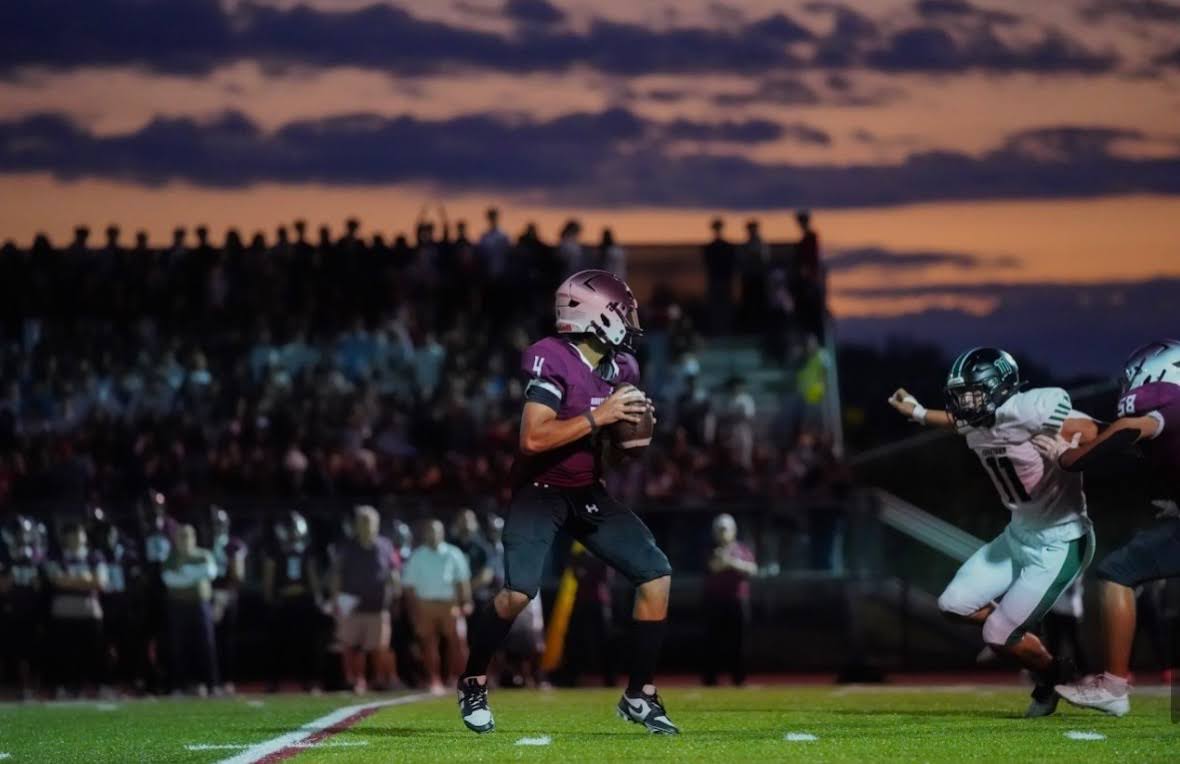
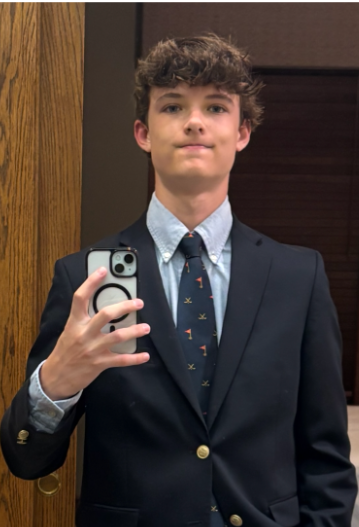
Founded in October of 2025, Harrison High School student Flynn Williams created an online collective that voices the lives of OCD-affected individuals. On this platform, Williams and his team works to build a community where OCD experiences, misconceptions, and perspectives can be safely shared.
OCD (Obsessive Compulsive Disorder), is a mental health disorder categorized by repetitive, obsessive thoughts that spark unwanted behaviors, which can disrupt daily life. OCD affects about 500,000 kids in the United States, occurring in around 1 in 100 teens. Due to the range in type and severity of OCD symptoms, many stereotypes arise around this community.
Flynn Williams, a junior at Harrison High School, first realized how broad and misunderstood mental health really is after seeing post after post on his Instagram feed during Mental Health Awareness Month. That same realization is what drives the OCD Collective’s purpose today. The page focuses on sharing accessible, educational posts about OCD—one of the most common mental health disorders worldwide. Its weekly and biweekly content breaks down what OCD actually is, explaining symptoms, treatments, and even how government decisions impact OCD research.
One of its biggest features, “Misconception Mondays,” tackles the single stories people often repeat about OCD, like the idea that it’s only about being neat or organized, that people can just “snap out of it,” or that everyone has “a little bit” of it. By posting detailed explanations and debunking these myths, the page hopes to replace stereotypes with real understanding and give students a clearer picture of how complex OCD truly is.
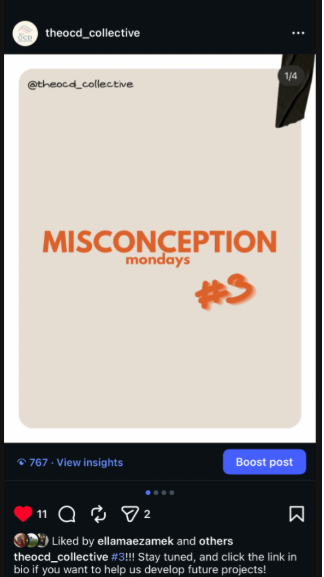
The impacts of the OCD collective are already coming into view, positively impacting OCD-affected individuals in Harrison’s community. “I’ve had people come up to me saying that seeing my posts comforts them,” Williams explains, sharing his interactions with the group’s community, “It comforts them to know that there are people out there who care.”
Williams’ OCD collective truly strives for inclusivity and education, and they plan to take their influence higher. It’s through consistency that this group has made it far. Despite the common challenge of low interactions on social media posts, the OCD collective continuously broadens their audience through perseverance. “That just comes with more posts,” Williams states, explaining his process, “as you post more, you’re going to get more followers and potential for people to see your work.”
The collective plans to extend their reaches to increasing fundraising for OCD research so misconceptions are minimized even further by science. Additionally, the collective could even expand outside OCD, as put by Williams, “We could also broaden our audience to even more mental health initiatives. It won’t just be about one cause, but rather kind of a litany of them.”
Misconceptions surrounding mental health afflict all groups of people with disorders. No matter where this occurs — online or at school — it is necessary to promote accurate, diverse representation. OCD collective will continue to celebrate and represent the voices of all kinds of mental health-afflicted individuals, making sure to erase the stigmas that follow.
To learn more about the OCD Collective and other research, explore the link below.
https://linktr.ee/theocdcollective?utm_source=ig&utm_medium=social&utm_content=link_in_bio