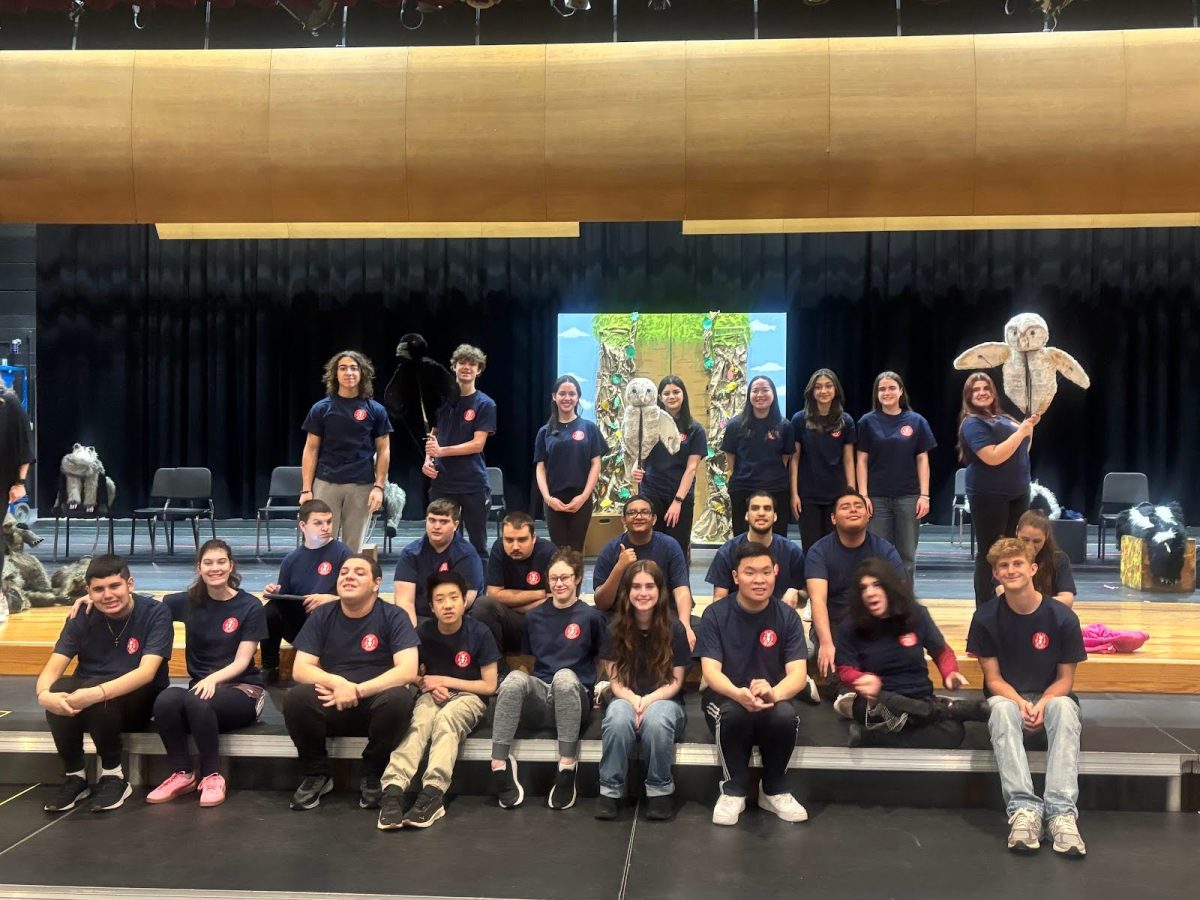

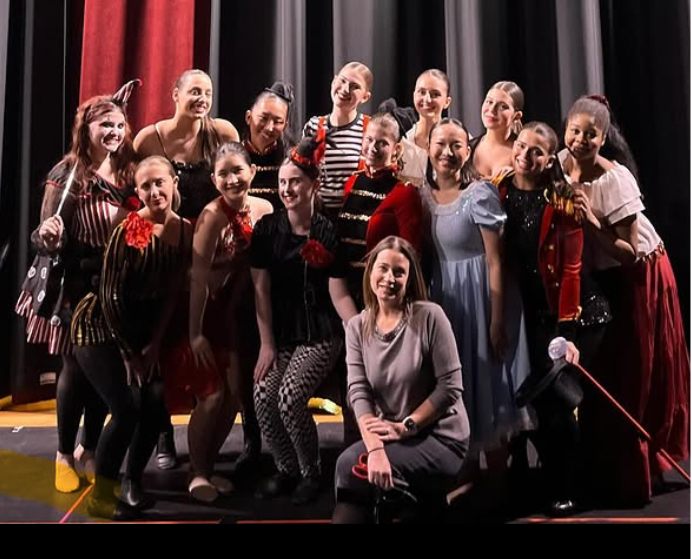
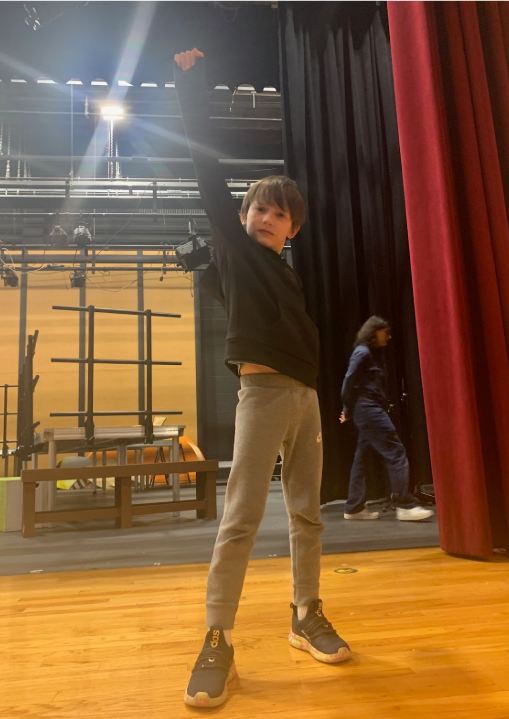
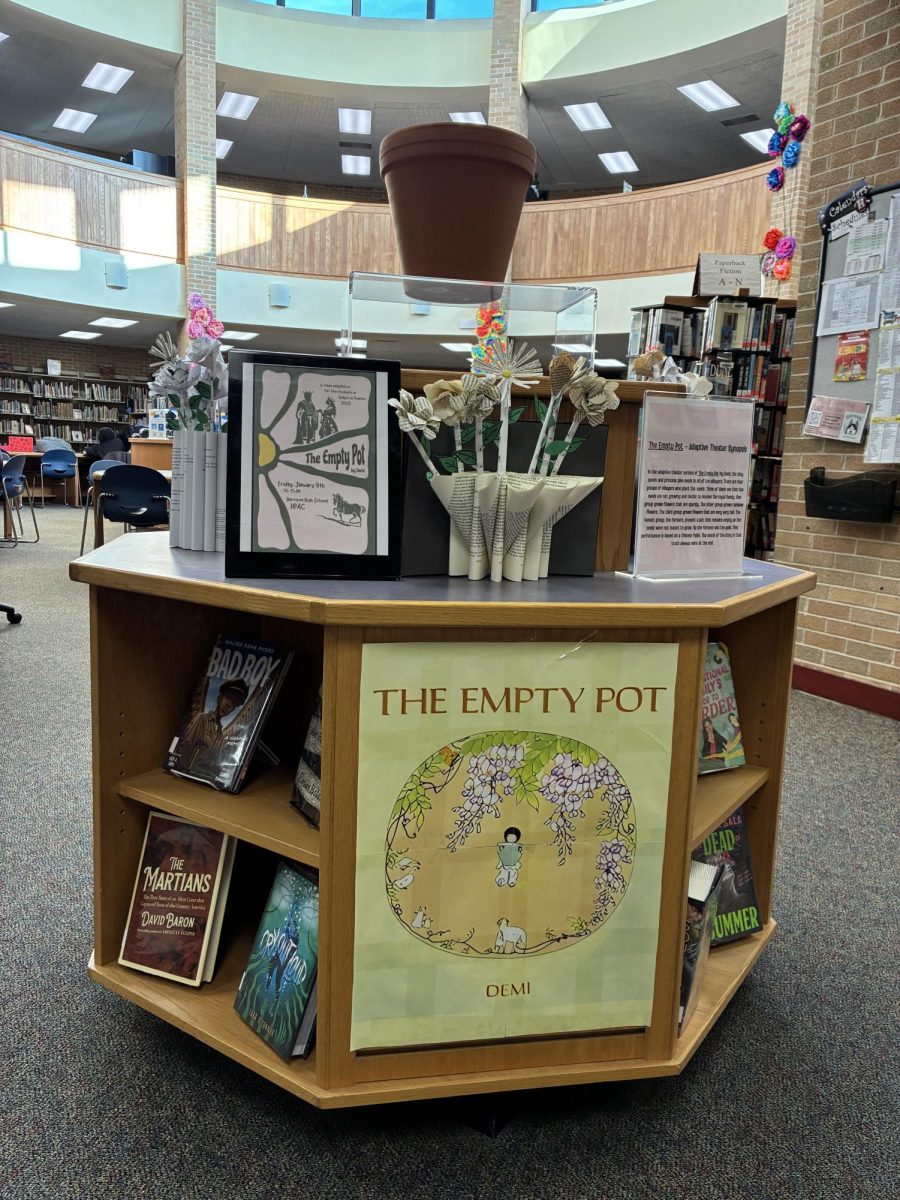
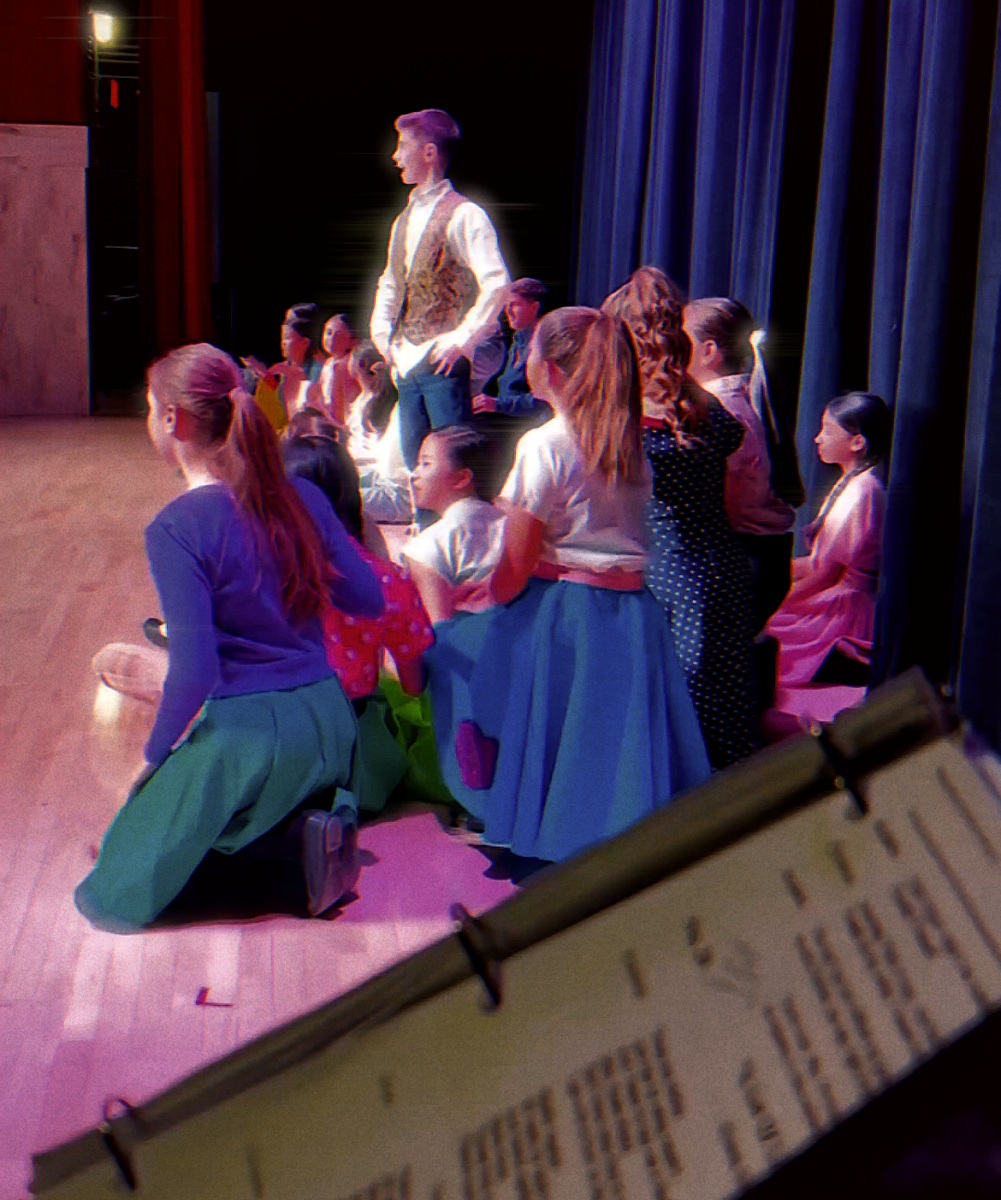









Bringing in the new year under the bright stage lights, the Adaptive Theatre program presented The Empty Pot, marking its second, and most elaborate, production to date. With over 60 students, costumes, choreography, props, and only two days of full rehearsals, the production was a hit. The performance drew in a crowd of more than 100 high school students and local families.
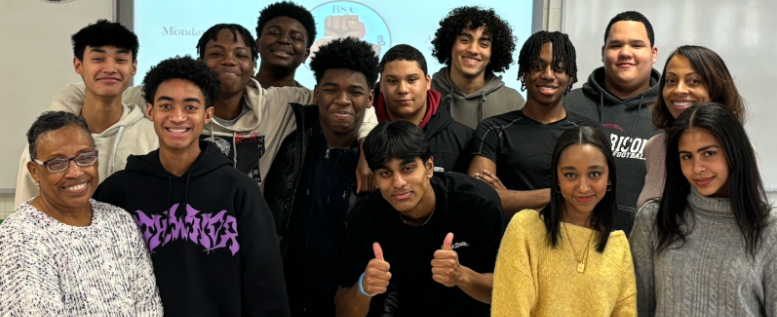
But the performance was more than just an entertaining and captivating start to the new year, as it highlighted the growth of the Adaptive Theatre program and the purpose behind this year’s production. Last year was the pilot year of the Adaptive Theatre program, which would lay the groundwork for what would become a more ambitious undertaking this year. Leah Moore, the show’s director and a ninth-grade English teacher at Harrison High School, stated, “To put on a play of this time needs to build the culture and readiness of the students in the FASE program and the helpers. This year, we had a one-to-one ratio, which was incredible, meaning that for every child in our FASE program, we had one neurotypical student assigned to them.” All the while, the production showcased how the story and the program itself are just as meaningful as the performance on stage.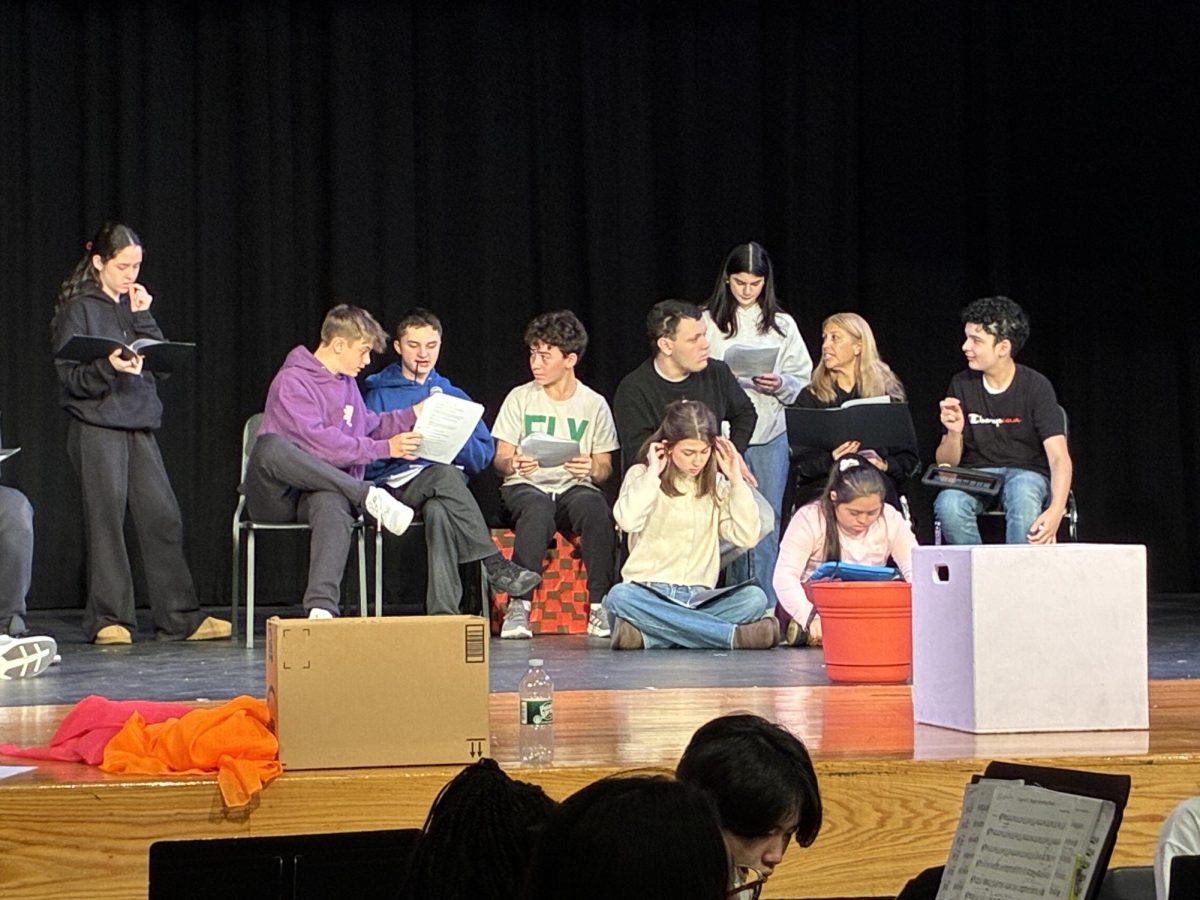
The Empty Pot by Demi is a popular children’s book that emphasizes the importance of integrity and honesty. It conveys this motif by following a little boy named Ping through his journey in attempting to become the successor of the Emperor, depicting how integrity and truthfulness allow for good things to occur. This story was selected for this year’s theatre production as it was accessible enough for the FASE students to be able to adapt it for acting purposes. The play also depicted enough mature themes that felt appropriate for all high school students, no matter their learning differences and capabilities.
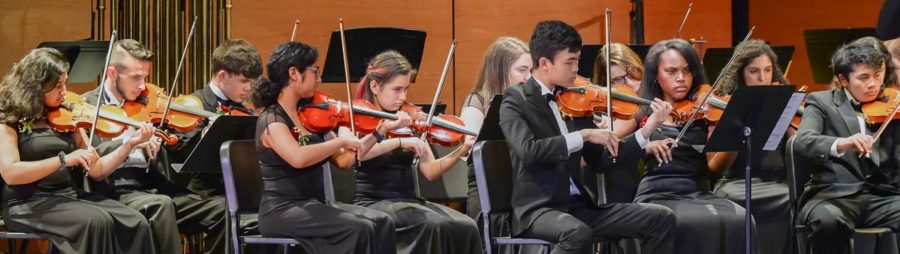
Most of the magic that enhanced the play came from the catchy and intricate pieces that senior Beverly Kang composed and conducted. The pit consisted of 10 musicians who dedicated their time outside of school to prepare for this performance. Janine Handy-Corn, the mother of a high school senior who performed as a violinist in the pit, said, “I loved how intricate the show was, from the music, which appeared to be student-conducted and written, to the props and the elaborate waltz choreography. It was clear how much work and care went into the performance. It was a joy seeing everyone given a role and an equal opportunity to shine.”
Beyond the parent praise and incredible applause, Beverly Kang offered a glimpse into her process behind the music that brought The Empty Pot to life. This year was her second and last year composing for the theatre program. She mentioned remembering how passionate she was to be involved with this wonderful community, as she wanted to spread the feeling of joy she felt playing in a pit orchestra for shows like Mean Girls, Mary Poppins, and now Les Misérables. Last year, Kang played the cello, performing her original scores for the first time. This year, she upped the intensity, as she took on her own personal project of learning how to conduct the new music she produced for this production.
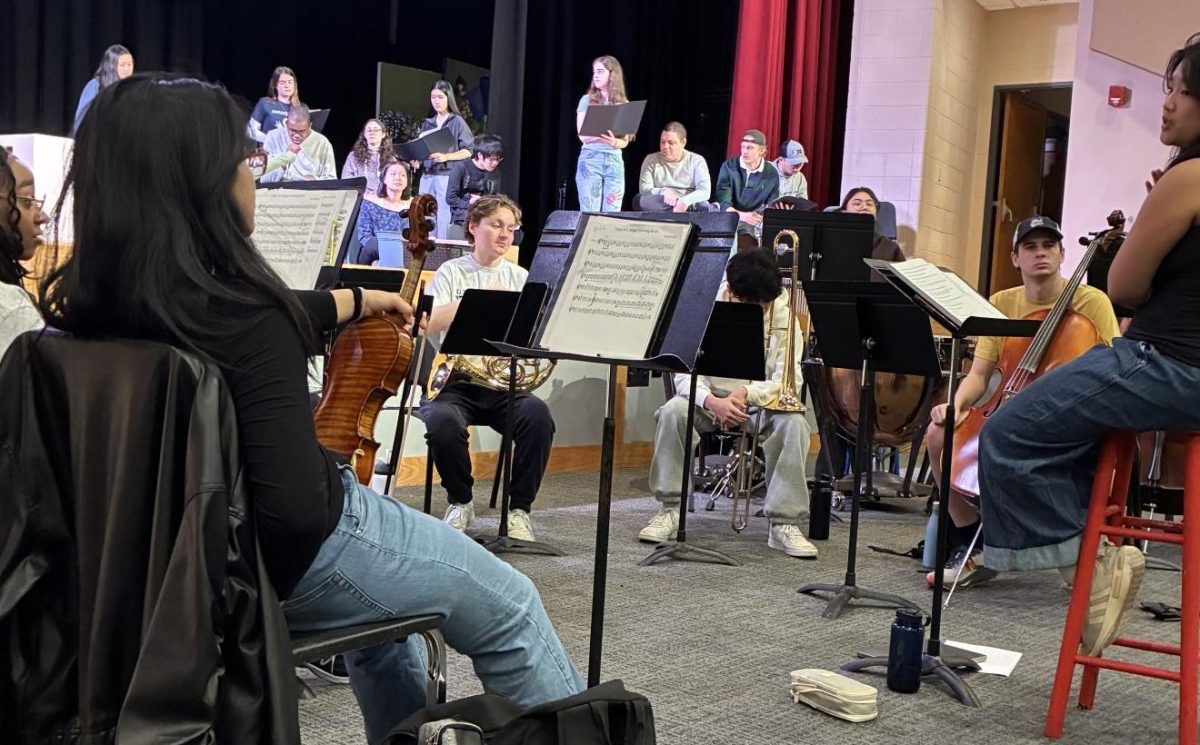 Over the course of a month, Kang worked carefully to craft original pieces that would complement the story. “I drew a lot of inspiration from Russian composers. I spent a lot of time analyzing the script carefully to match the emotions and tone the director wanted. The music needed to feel lush and expressive, and my pieces were approached very differently compared to my previous compositions.”
The director reflected fondly on the collaboration process with Kang as she stated, “ I shared with her the script and the emotions and tone I wanted her to convey, and she composed original music based on those guidelines. It is remarkable and transformative because it elevates the production quality and helps non-speaking students find other ways to connect. For example, she had a motif of when the plant wouldn’t grow, that the trombone would play a sad chromatic scale. The kids understood what was happening and grew excited because they could identify the overall tone of the music.” Her compositions weren’t just nice to listen to; they also gave non-speaking FASE students a way to engage with the story, feel the emotions of each scene, and participate equally in the performance. In fact, when polled, over 90% of the FASE students said they loved the music, showcasing just how deeply her compositions impacted the performers.
Balancing the production with schoolwork and other various college commitments, Kang spent hours experimenting with her piano and, in her own words, “noodling” before solidifying her ideas into her computer. To prepare for conducting on a scale as large as a pit for a performance, she practiced conducting the band through familiar pieces, like Christmas carols, and even crafted her own baton from polymer clay and a wooden skewer, noting very fondly that she is “a very rhythmically challenged musician.” Through her dedication and musical knowledge, Kang’s repertoire of compositions and conducting skills helped to elevate the play to a new level.
Through her music, dedication, and creativity, Beverly Kang not only elevated The Empty Pot but also gave every student a chance to shine on stage, making the performance truly unforgettable.